
The Gen Alpha girls, dubbed as ‘Sephora kids’, were born between 2010-2024. They
were the first generation to be born surrounded by a digital world made up of smartphones,
social media, and artificial intelligence. Over 36 million children (aged 0-11) are actively using
the internet, exceeding teens (aged 12-17) by 11.6 million. 7 out of 10 Gen Alpha children spend
up to 4 hours a day on social media according to the Annie E. Casey Foundation, who studied
the impact of technology and social media on Gen Alpha. These tweens and young teens are
being exposed to things on social media that influence their views on themselves such as body
image, facial problems they haven’t really been introduced with yet, and comparisons like what
a 22 year old woman looks compared to them.
Some parents might argue that the girls are trying to find themselves on social media,
such as TikTok, Instagram, and YouTube, and they’re trying out new things. But what the girls
are doing are buying products that can be harmful to their skin because they’ve seen influencers
do it. They are worried about their body image though they aren’t even fully developed yet.
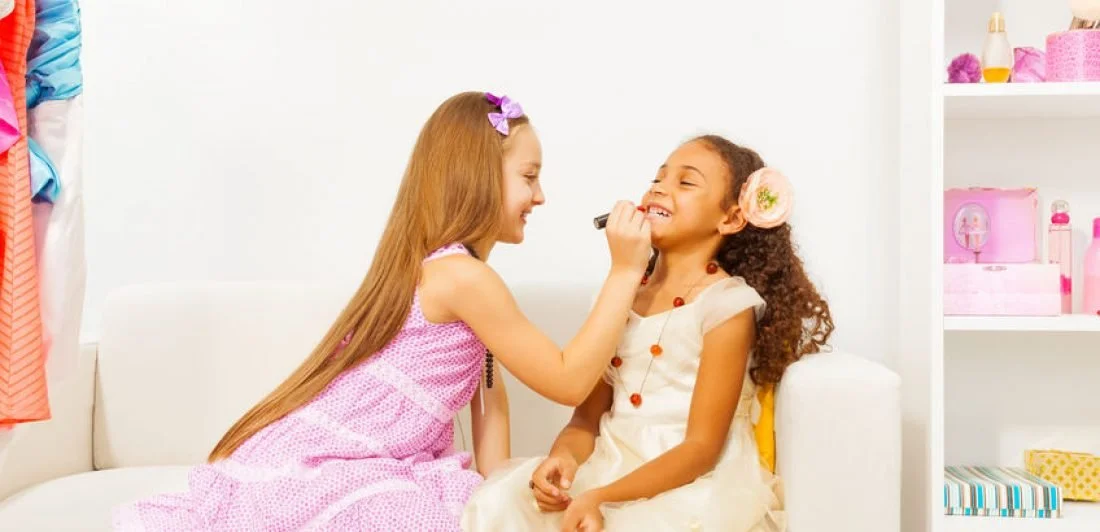
These 7 to 12 year old girls spend hours doing skincare, hair routines, and makeup that were
designed and manufactured for adults.
“Parents perceive their daughter’s interest as age-appropriate, and feel that using
makeup/skincare has increased their daughter’s confidence and has given her something to be
passionate about,” said Clairese Boser, a Senior Research Director at AYTM, in an article The
Rise of Sephora Kids. Although parents can see it as a way for their daughters to be passionate
about skincare and makeup, it is more of a way to make themselves like everyone else. “It’s like
an aspirational brand to them, similar to the Stanley tumblers craze. They see people using
products from Sephora on social media. So it’s almost like a status symbol to buy products from
there even if they don’t even know how to use them properly...” said Jennifer O’Brien, a mother
of twin tween daughters.
Gen Alpha girls care more about their self-image than any other generation, and it affects
their mental health greatly, too. Their social media should be filtered or limited to stop them
from feeling like they need to change. Depression and anxiety rates jumped 50% among
youths born from 2010-2019. The suicide rate for kids aged 10-14 tripled from 2007 to 2021 and
rose 19% in high school girls over the past decade, according to News Nation. A kids childhood
shouldn’t have higher rates of depression and suicide than others. A kid's childhood is supposed
to be carefree and enjoyable, not stressful because they worry about what a model has that they
don’t. Seven to twelve year old girls shouldn’t watch a girl twice their age on social media and
feel the need to change themselves to fit in.
A Generation's Obsession with Skincare and Makeup
Moriah Sheppard