
Every year, millions of people travel to see their families and welcome the Lunar New Year. On February 10th, the two-week-long celebration will begin with different traditions and rituals on each day. Most of the world follows the 365-day calendar, but the Chinese New Year festival follows a lunar calendar based on the twelve phases of the moon, which is why China celebrates the New Year about a month after the majority of the world. The end of the celebration is marked by a full-moon on the fifteenth day which is when the Lantern Festival is celebrated.
Chinese New Year is centered around traditions and family. Setting off firecrackers throughout the night is popular in Taiwan. Chinese teacher Brian Kleinsmith said, “My favorite part of Chinese New Year is probably the big dinner on New Year's Eve and then listening to firecrackers through the night. But to be honest, since cities tend to shut down (and the weather is often cold and rainy in Taipei) I often used the week off to travel to a warmer nearby country such as Thailand or Indonesia.”
Although it may be appealing to travel and take part in the festivities, it is hard to find open restaurants and stores due to people visiting their families. “Unless you know people in China or Taiwan, traveling to those places at New Year is probably a really bad idea. Stores and restaurants will all be closed for several days, so there really won't be anything to do if you don't get invited to a family dinner.” said Kleinsmith. Traveling a week before the Lunar New Year festivities begin or two weeks later for the Lantern Festival would provide a similar experience to being in China during the actual celebrations.
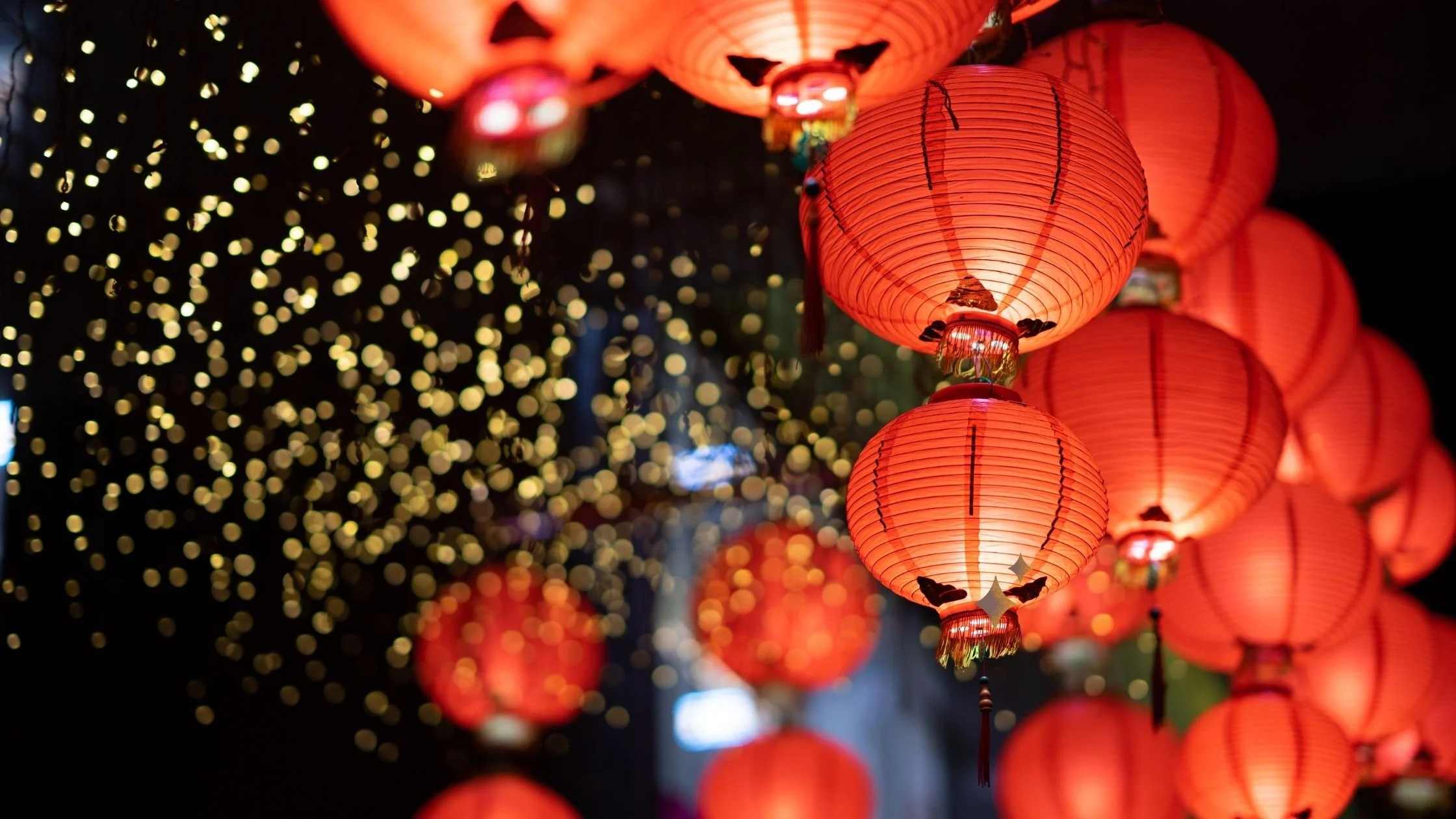
Another recognizable tradition of Chinese New Year is exchanging small red envelopes containing money. “Instead of giving gifts, older relatives will give unmarried family members small red envelopes containing cash in even-number denominations,” said Kleinsmith, “They will also use sticks of incense to make tributes to ancestors at a small family shrine.” Decorations, like the envelopes, are red to represent luck and to ward off evil. Performances like firework shows and dragon dances are also thought to scare away evil. Above all the festivities, Chinese New Year serves as a reminder of the importance of tradition and family.
Chinese New Year: A Festival of Firecrackers, Food, and Family
Lydia Rousseau