
People are born as blank slates, but there are a few things they are born knowing, like hunger,
sadness, and goodness. Family is the biggest influence when it comes to shaping one’s beliefs. If a
person is born into a Christian family, they will most likely be raised a Christian. The same goes for any
religious beliefs, or lack thereof. Religion is very important to many people. It is the driving force in many
lives and it gives people a rubric to follow when making everyday decisions. This rubric outlines the do’s
and don'ts in being a part of that specific religion. Religious texts such as the Bible contain stories that
teach good morals and life lessons. Non-religious people, such as atheists and agnostics, don’t have a
written set of instructions to follow, which leads some to believe that they live immorally.
Almost 35% of American adults think it is necessary for someone to believe in God in order to be
moral and have good values (Pew Research Center). Non-religious people do not have rules to follow or
saviors to praise. Instead, it is their human instinct that gives them a moral compass. Not believing in
God does not make someone nihilistic. In fact, morals may be even more important to non-believers than
to religious people. Without a way to repent and be forgiven, non-religious people must try even harder to
be good and make the most of their lives.
To say that morals depend on religion is to say that without religion there would be no morals,
which is entirely untrue. Atheists and agnostics act with the same amount of morality as religious people
do. Morality is instinct. It comes from emotion, general reasoning, and the basic characteristics of
goodness: honesty, patience, and empathy. It is a decision individuals make choosing whether or not to
be kind. Anyone, no matter their religious affiliation, can choose to be good.
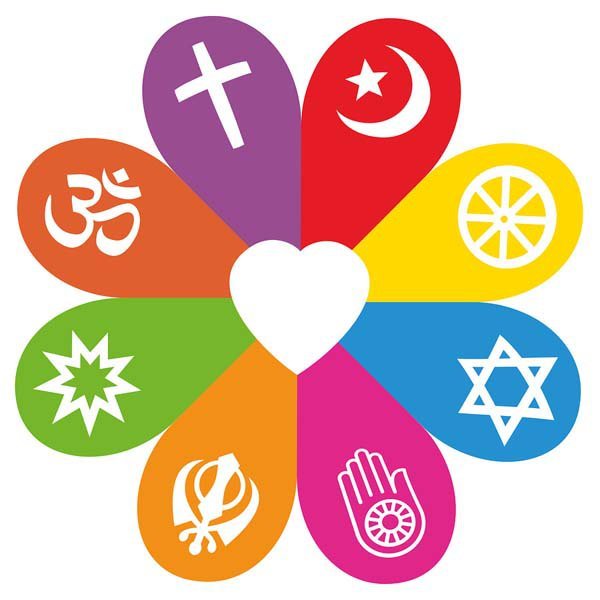
Debunking the Link Between Faith and Good Values
Aria Harig