
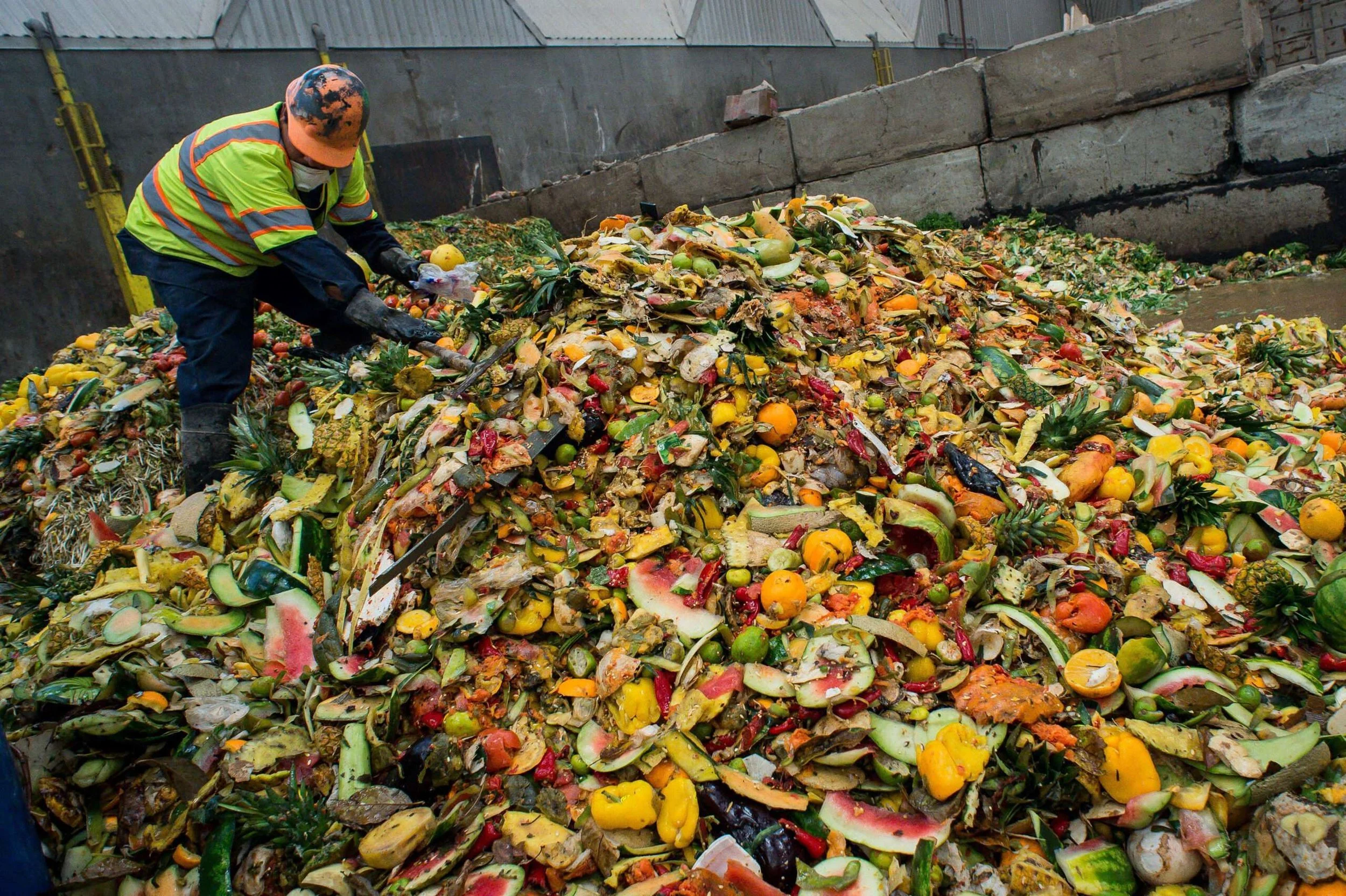
Food waste is a pressing global issue that affects both the environment and the fight against hunger. As
we strive for a more sustainable and equitable world, addressing food waste is crucial. Every year,
millions of tons of food are discarded, while millions of people go hungry. This paradox highlights the
need for effective strategies to combat food waste and reduce hunger. The scale of food waste is
staggering. According to the Food and Agriculture Organization (FAO) of the United Nations,
approximately one-third of all food produced for human consumption is lost or wasted. This amounts to
about 1.3 billion tons of food annually. The reasons for food waste are varied and occur at different
stages of the food supply chain, from production and processing to retail and consumption. In developed
countries, consumer behavior and retail practices are significant contributors, while in developing
countries, inadequate infrastructure and storage facilities play a major role. At the policy level,
governments can implement regulations and incentives to encourage food waste reduction. For example,
France has introduced laws requiring supermarkets to donate unsold food to charities, rather than
discarding it. Similar initiatives can be adopted in other countries to ensure that surplus food reaches
those in need. Businesses, particularly those in the food industry, have a critical role to play. By adopting
better inventory management practices and improving supply chain efficiency, companies can minimize
food waste. Additionally, food producers can invest in technologies that extend the shelf life of perishable
items. Retailers can also play a part by offering discounts on near-expiry products and educating
consumers about the importance of reducing food waste. Individuals, too, have a responsibility to combat
food waste. Simple actions, such as planning meals, buying only what is needed, and storing food
properly, can make a significant difference. Consumers should also be mindful of food labels and
understand the difference between "best before" and "use by" dates. While "use by" dates indicate
safety, "best before" dates are often about quality, meaning food can still be safe to consume after the
date has passed. Education and awareness campaigns are essential in changing consumer attitudes and
behaviors towards food waste. Schools, community organizations, and media can play a pivotal role in
spreading the message about the importance of reducing food waste and its impact on hunger and the
environment. By fostering a culture of mindfulness and responsibility, we can collectively make a
difference. Food waste not only exacerbates hunger but also has significant environmental
consequences. Wasted food contributes to greenhouse gas emissions, as decomposing organic matter
in landfills produces methane, a potent greenhouse gas. Additionally, the resources used to produce the
wasted food, such as water, energy, and labor, are squandered. Addressing food waste is, therefore, not
only a moral imperative but also an environmental necessity. In conclusion, fighting food waste is a
critical step towards reducing hunger and promoting sustainability. By implementing effective policies,
encouraging responsible business practices, and fostering individual responsibility, we can make
significant strides in addressing this issue. The benefits of reducing food waste extend beyond alleviating
hunger; they also contribute to environmental conservation and resource efficiency. It is time for all of us
to take action and commit to a future where food is valued and waste is minimized. Together, we can
create a world where everyone has access to the nourishment they need.
The Fight Against Hunger Starts with Reducing Food Waste
Kendel Dyke